
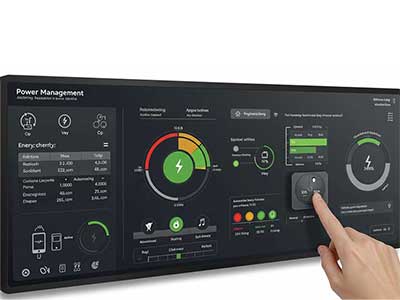
– Amid rising energy costs and growing global concern for environmental sustainability, power management and energy saving have become essential pillars for any home or organization seeking operational efficiency and a reduced environmental footprint. Modern technologies and smart energy management strategies are no longer luxuries—they are economic and ecological necessities.
What Is Power Management?
– Power management refers to the process of monitoring, analyzing, and controlling energy consumption in buildings, homes, or devices, with the goals of:
– Reducing waste
– Improving efficiency
– Cutting costs
– Promoting sustainability
– This is achieved through the use of smart systems, sensors, automation tools, and analytical software to ensure precise and optimized energy use.
Benefits of Power Management & Energy Saving
– Reduced Operational Costs
Lower energy consumption translates directly to lower electricity bills, especially for large facilities.
– Environmental Protection
Decreasing reliance on non-renewable energy sources helps cut down carbon emissions.
– Extended Device Lifespan
Balanced and smart usage of energy reduces stress on equipment and extends its life.
– Improved Efficiency
Energy usage analytics help detect inefficiencies and enhance overall performance.
– Regulatory Compliance
Governments often impose energy efficiency standards, and compliance can offer legal and economic advantages.
Tools and Technologies for Power Management
– Energy Management Systems (EMS)
Software that monitors and analyzes real-time energy consumption and suggests optimization actions.
– Smart Energy-Saving Devices
Such as LED lighting, smart thermostats, and auto-off switches.
– Smart Meters
Provide precise, real-time data on energy consumption across different zones or systems.
– Solar Power Systems
Sustainable energy sources that reduce dependence on the main grid.
– Sensors and Automation Devices
Used to turn devices on/off automatically based on presence or environmental conditions.
Applications of Energy Management at Home
– Using voltage regulators to protect appliances.
– Auto-switching lights and devices off when leaving a room.
– Programming smart thermostats to follow a daily schedule.
– Monitoring each device’s consumption via smart apps.
– Installing solar systems to reduce reliance on public electricity.
Applications of Energy Management in Businesses and Institutions
– Monitoring energy usage in each department or branch separately.
– Central control of lighting and HVAC based on work schedules.
– Generating periodic reports to analyze energy performance.
– Training employees on best energy practices.
– Establishing internal energy policies for sustainability targets.
Challenges in Energy Saving
– High Initial Cost of smart technologies or renewable systems.
– Lack of Awareness or Cultural Resistance among users regarding energy-saving practices.
– Need for Expertise in data analysis and decision-making.
– Outdated Infrastructure that hinders easy implementation of smart systems.
The Future of Power Management
– Artificial Intelligence & Predictive Analytics will help forecast consumption and reduce waste.
– Internet of Things (IoT) will enable automated control of all connected devices.
– Smart Cities will rely entirely on centralized energy management.
– Global Environmental Legislation will encourage wider adoption of energy-saving systems.