
Smart Solutions for Easier Living and Energy Saving
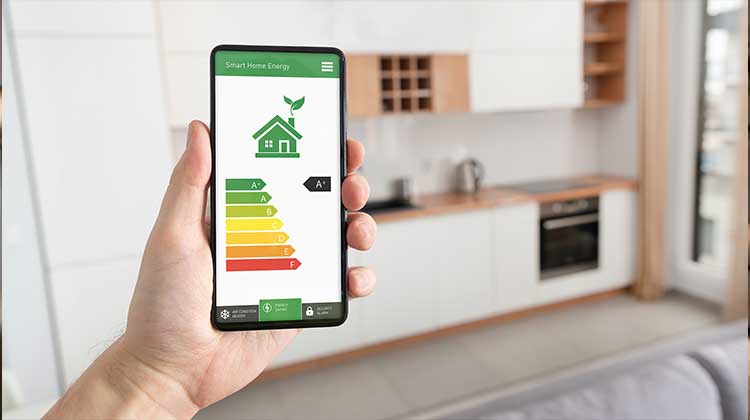
In light of the accelerating digital revolution, the use of smart solutions has become an indispensable necessity in our daily and professional lives. These technologies are no longer a luxury; they have become essential tools for achieving comfort, security, and energy savings, contributing to improving quality of life and promoting environmental and economic sustainability.
What are smart solutions?
Smart solutions are systems and technologies that rely on artificial intelligence, the Internet of Things (IoT), and remote control. They aim to:
- Automate daily tasks
- Save time and effort
- Optimize the consumption of resources such as energy and water
- Enhance safety and comfort in homes and offices
- Examples include smart lighting, smart air conditioners, voice control systems, smart homes, and remote energy management.
Benefits of smart solutions in making life easier - Remote control
You can manage your entire home or office via a mobile app, whether you’re at work or on vacation. - Comfort and automation
Smart systems automatically operate devices based on your habits, such as turning on the air conditioner before you arrive or turning off the lights when you leave the room. – Advanced Security
Smart cameras, electronic locks, and sensors provide 24/7 protection with instant alerts. - Time Saving
Eliminating daily routine tasks allows you to focus on work or rest.
The Role of Smart Solutions in Energy Saving - Precisely Managing Energy Consumption
By monitoring appliances and analyzing their consumption, energy waste can be significantly reduced. - High-Efficiency Appliances
Such as LED lighting, smart air conditioning, and sensors that operate only when needed. - Automatic Shut-Off Technologies
Automatically turn off lights and air conditioning when no one is present. - Using Renewable Energy
Smart systems integrated with solar panels enhance reliance on clean energy sources.
Practical Examples of Smart Solutions
At Home: - Smart thermostats that adapt to the weather.
- Efficient washing machines and refrigerators that consume less energy.
- Blinds that open automatically in the morning and close at dusk.
At Office: - Smart lighting based on motion sensors.
- Smart systems that adjust the temperature based on the number of employees.
- Energy monitoring tools contribute to lower operating costs.
How do smart solutions contribute to environmental protection? - Reducing carbon emissions resulting from overconsumption.
- Using energy efficiently reduces the need for non-renewable energy sources.
- Supporting a sustainable and responsible lifestyle.


